How to Lay Out a Bathroom
The dimensions that decide whether the room works, whatever it ends up looking like. Small enough that every surface is visible at once, which is why finishes carry it.
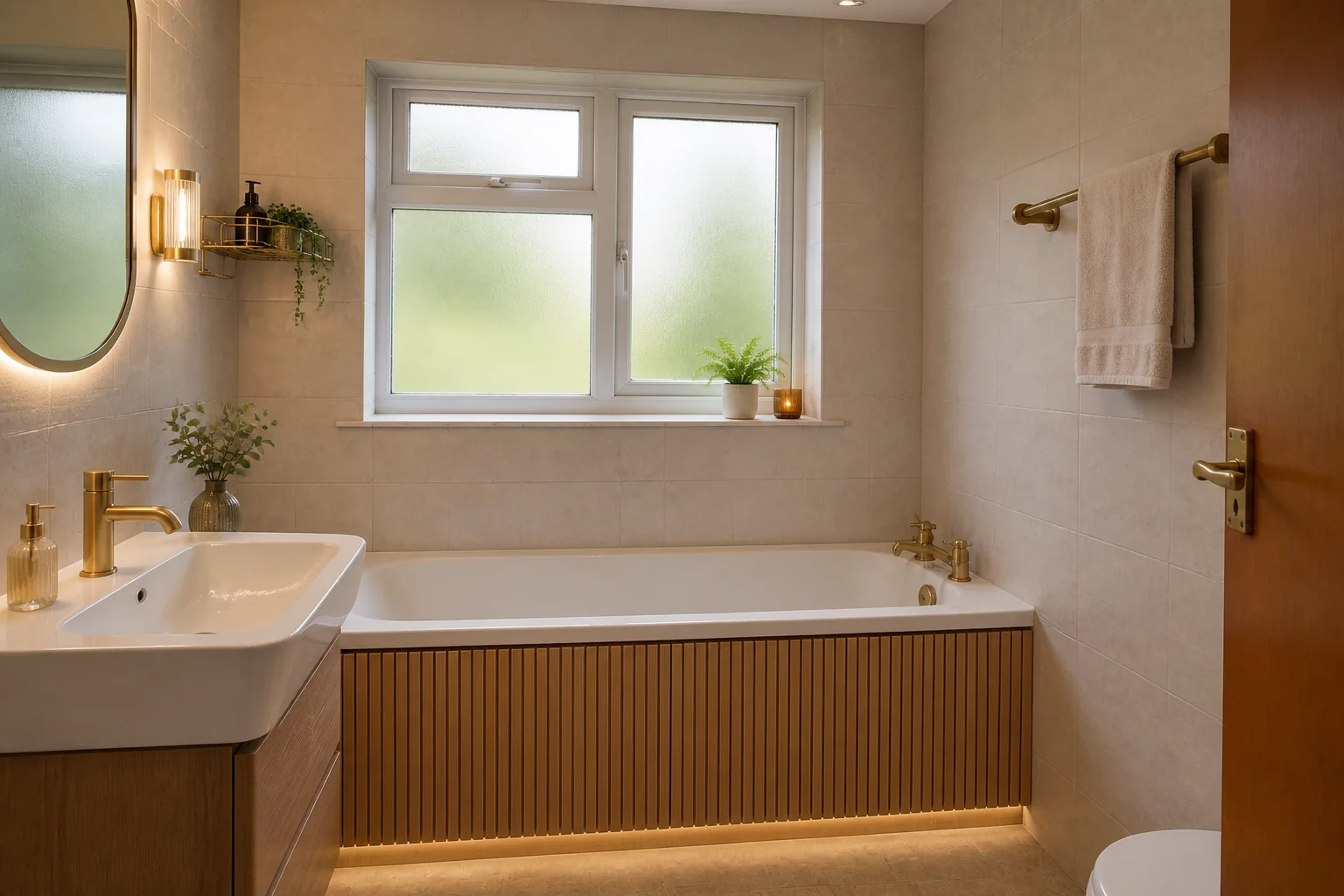 BeforeAfter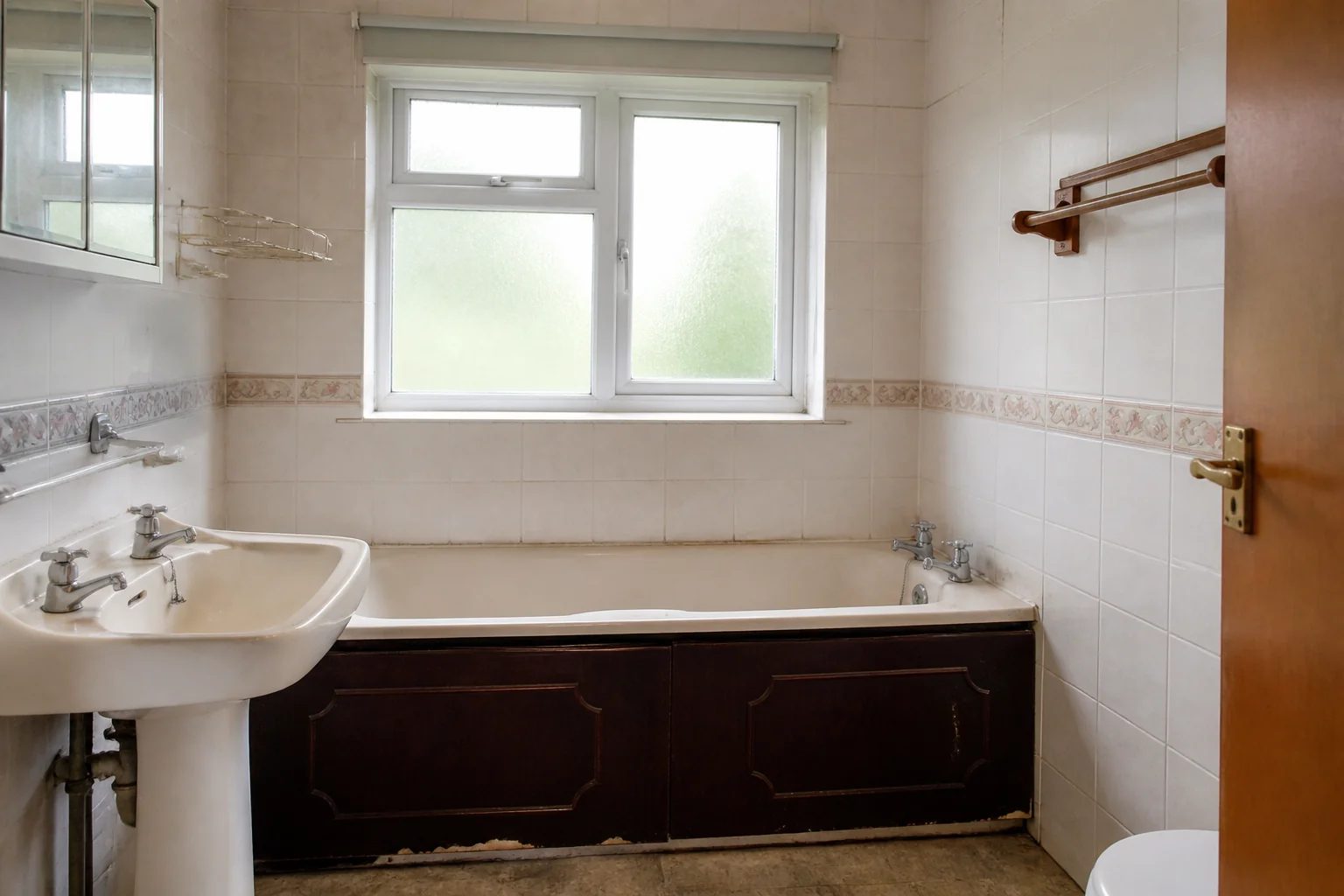
- 1
What the room is arranged around
A bathroom is the one room where you can see every surface without turning your head, so the finishes have nowhere to hide. Most bathroom remodels keep the fixtures roughly where they are and change tile, vanity, lighting and glass — which is enough to make the room unrecognisable.
- 2
Rule 1
Leave 30in of clear width centred on the toilet, and 21in of clear floor in front of it.
- 3
Rule 2
A shower needs 36×36in of interior floor to be comfortable; 30×30in is the practical floor.
- 4
Rule 3
Hang the mirror so its centre sits at 62–65in — eye height for most adults.
- 5
Rule 4
Give a single vanity 30–36in of width; below 24in there is nowhere to put anything down.
- 6
Rule 5
Keep the door swing clear of the vanity drawers, or hang it to swing out.
- 7
When it is tight
Under 40 sq ft, a wall-hung vanity and a clear glass screen instead of a framed enclosure buy back more perceived space than any tile choice. Seeing the floor run under the vanity is most of the effect.
Questions
- What should I decide first in a bathroom remodel?
- A bathroom is the one room where you can see every surface without turning your head, so the finishes have nowhere to hide. Most bathroom remodels keep the fixtures roughly where they are and change tile, vanity, lighting and glass — which is enough to make the room unrecognisable.
- What goes wrong most often?
- A ceiling light behind the person at the mirror, lighting the back of their head. Large-format floor tile fought into a small room, leaving slivers at every wall.
- Will it work in a small bathroom?
- Under 40 sq ft, a wall-hung vanity and a clear glass screen instead of a framed enclosure buy back more perceived space than any tile choice. Seeing the floor run under the vanity is most of the effect.
- Can I see it on my own bathroom before starting?
- Yes — photograph the space and run it through the Studio. It is generated imagery, so compare the render against your photo rather than treating it as a plan.